In the landscape of industrial development, valves, as key components for fluid control, have a performance level that directly relates to the safety and efficiency of entire industrial systems. As China's industry advances towards the high-end, the technical features and application value of imported valves are becoming increasingly prominent. In 2025, the industrial valve sector is undergoing a technological evolution driven jointly by materials science, artificial intelligence, and sustainable development concepts.
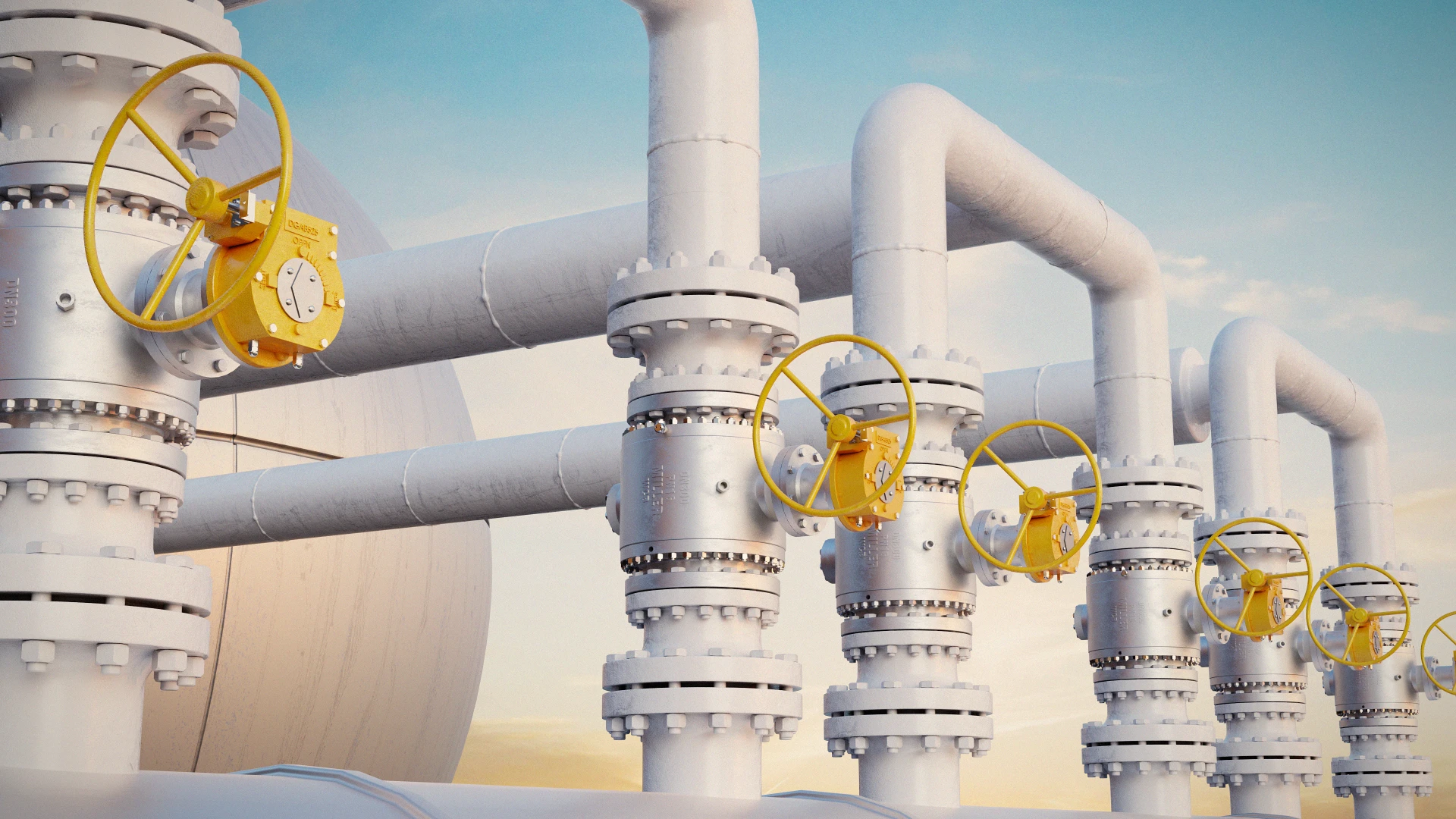
Practical application scenario of Miller imported high-pressure valves in a pipeline system on an offshore oil platform

Technical Features of Imported Valves in Critical Sectors
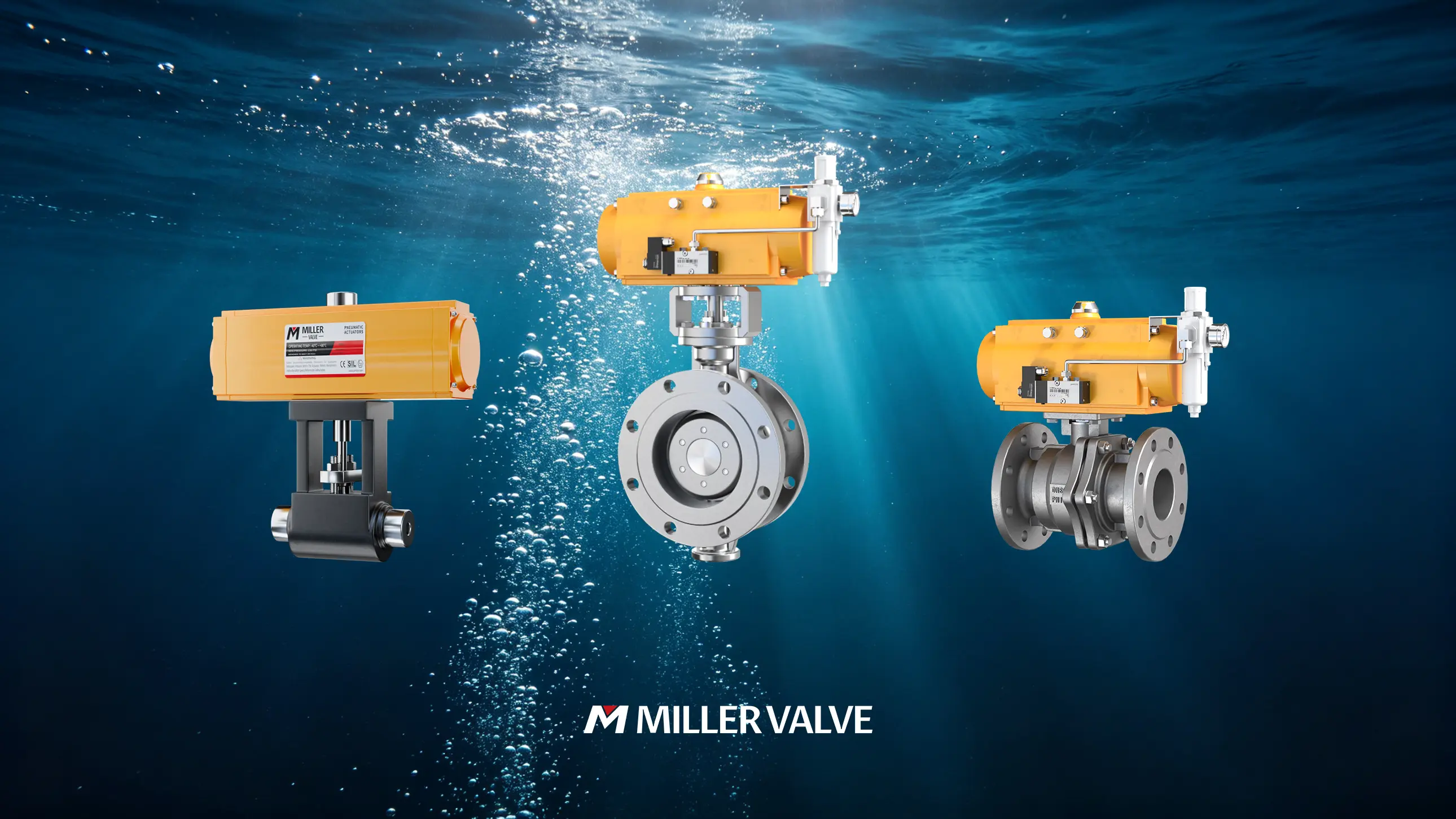
Valve performance is particularly crucial under demanding working conditions. Taking Miller imported valves as an example, their products developed for the Liquefied Natural Gas (LNG) sector utilize special alloy materials and sealing designs, maintaining structural integrity at -196°C with leakage rates controlled within international standards.
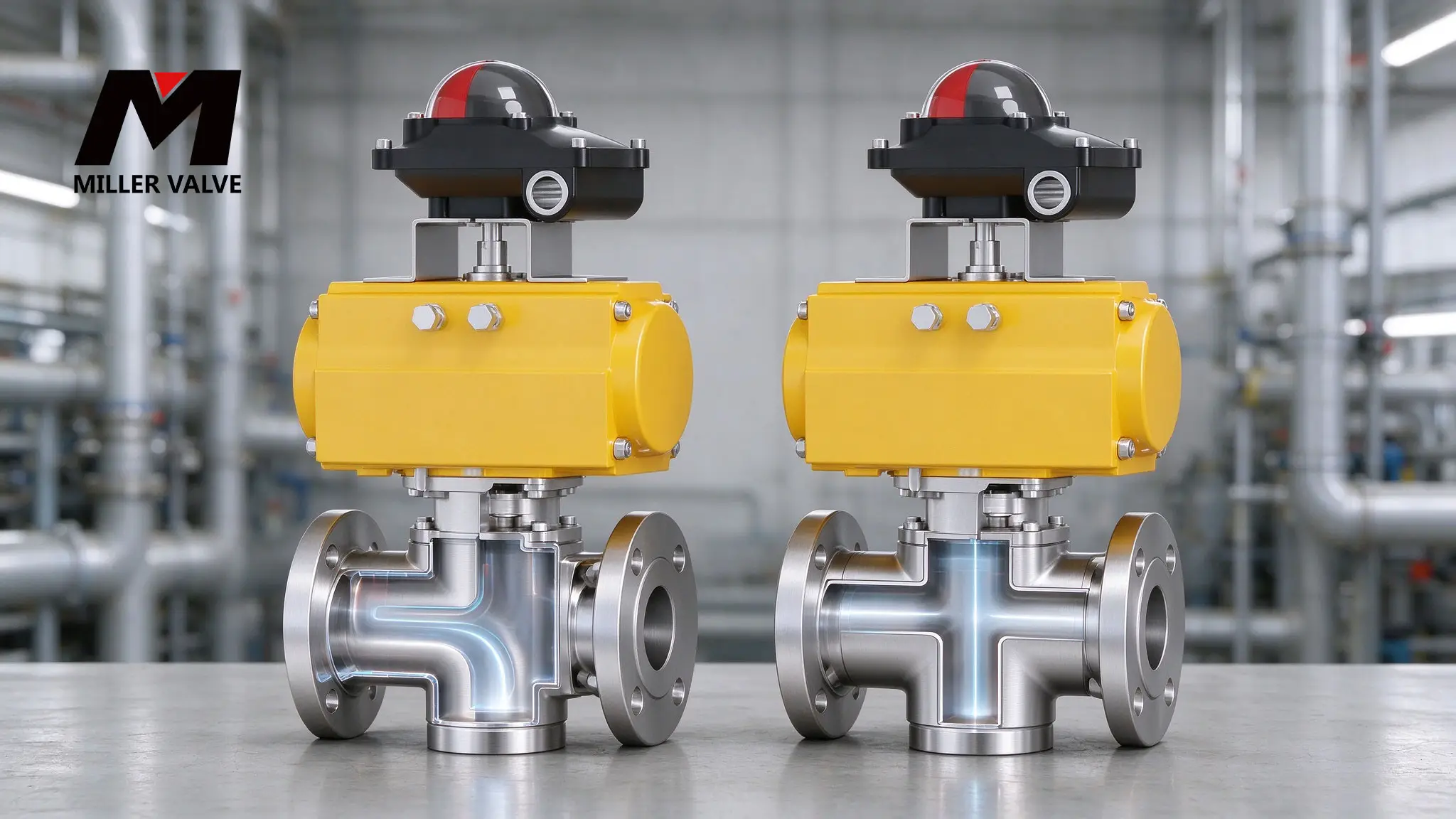
In the petrochemical industry, Miller's pneumatic O-type shut-off valves achieve rapid shut-off functionality. They also incorporate built-in pressure sensors and temperature monitoring modules, forming a comprehensive safety monitoring system. This concept of integrating safety design with monitoring is becoming a key direction in valve technology development.
Intelligent Development: From Monitoring to System Optimization
Currently, smart valve technology is evolving from basic data acquisition functions towards system optimization. Some imported brands embed processing capabilities within valve actuators, enabling localized real-time analysis.
For instance, in a power industry application, an intelligent control valve used in a European project features built-in algorithms that can establish operational models based on runtime data. When parameter changes are detected, it issues alerts and adjusts control parameters accordingly. This capability helps reduce unplanned downtime.
In large industrial sites, multiple intelligent valves form coordinated control systems via industrial networks, optimizing fluid distribution strategies for specific areas. The adoption of such a system in a coastal project led to optimized energy usage.
Interface of Miller's intelligent valve management system, displaying real-time data and predictive maintenance alerts
Material Technology: Adapting to Diverse Working Condition Requirements
In valve technology development, material selection is a critical technical aspect. In 2025, the application of new materials is continuously enhancing valve suitability.
The ceramic coating technology adopted by Miller Valves improves the wear resistance of valve balls and seats. Under demanding conditions in the coal chemical industry, this material solution helps extend the valve service life.
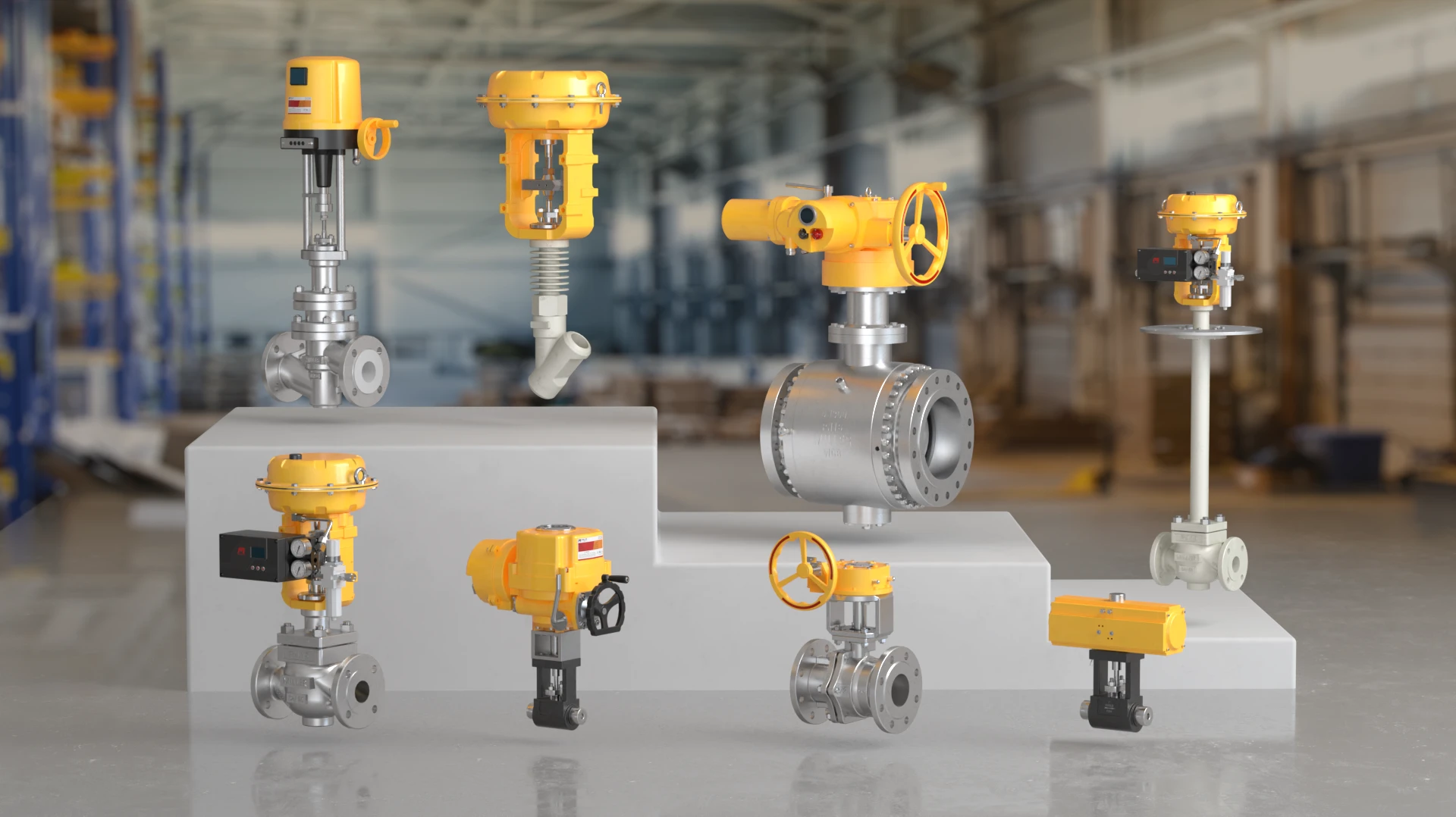
Miller ultra-low temperature globe valve used in an LNG receiving terminal, ensuring safe transfer of cryogenic media
Green Development Trend: Technical Improvements Towards Energy Saving and Environmental Protection
With the deepening of sustainable development concepts, valve products focusing on energy saving and environmental protection are receiving more attention. In 2025, the market performance of related products is active.
Water Treatment Sector: In the water treatment sector, the energy-saving characteristics of valves have become one of the procurement considerations. By improving flow path design, flow resistance coefficients are reduced. A water treatment plant with substantial daily capacity could achieve significant electricity savings by adopting low-flow-resistance valves.
New Energy Sector: Valves in the new energy sector also need to adapt to special conditions. Valves for molten salt systems in solar thermal power plants must withstand high temperatures and thermal cycle shocks. Specially designed valve products can meet the operational requirements in such environments.
Selection Considerations: Comprehensively Evaluating Product Value
Faced with diverse operational needs, valve selection requires comprehensive consideration of multiple factors. Some companies are beginning to focus on evaluating the full lifecycle value of products.
In a large-scale project, what was provided was not just valve products, but also a complete fluid control solution. This solution, through optimized valve selection combinations and system management, contributed to optimizing project costs.
Localized service capability has also become a selection factor. Some imported brands have strengthened their service footprint in the Chinese market, establishing regional service centers and spare parts support, thereby improving service response times.
Future Outlook: Potential Directions for Technological Development
By 2030, valve technology is expected to continue advancing. The application of digital technologies may enable more testing and validation to be completed before valves are put into operation. Research into new materials is likely to support further improvements in valve performance.
With the development of new energy and environmental protection technologies, valves will need to adapt to more application scenarios. This requires continuous industry improvement in material technology, sealing technology, and intelligent applications.
Conclusion
Throughout industrial progress, valve technology continues to advance. From basic control to system integration, from standard conditions to special environments, the development of valve technology provides essential support for industrial operations. Imported valve brands like Miller, through continuous technological improvements and industry experience, supply fluid control products for various sectors.
In the process of industrial development towards intelligence and green transformation, the valve, as an industrial component, continues to play its vital role. It is not merely a mechanical part for fluid control but also an integral component of industrial safety and energy efficiency management.